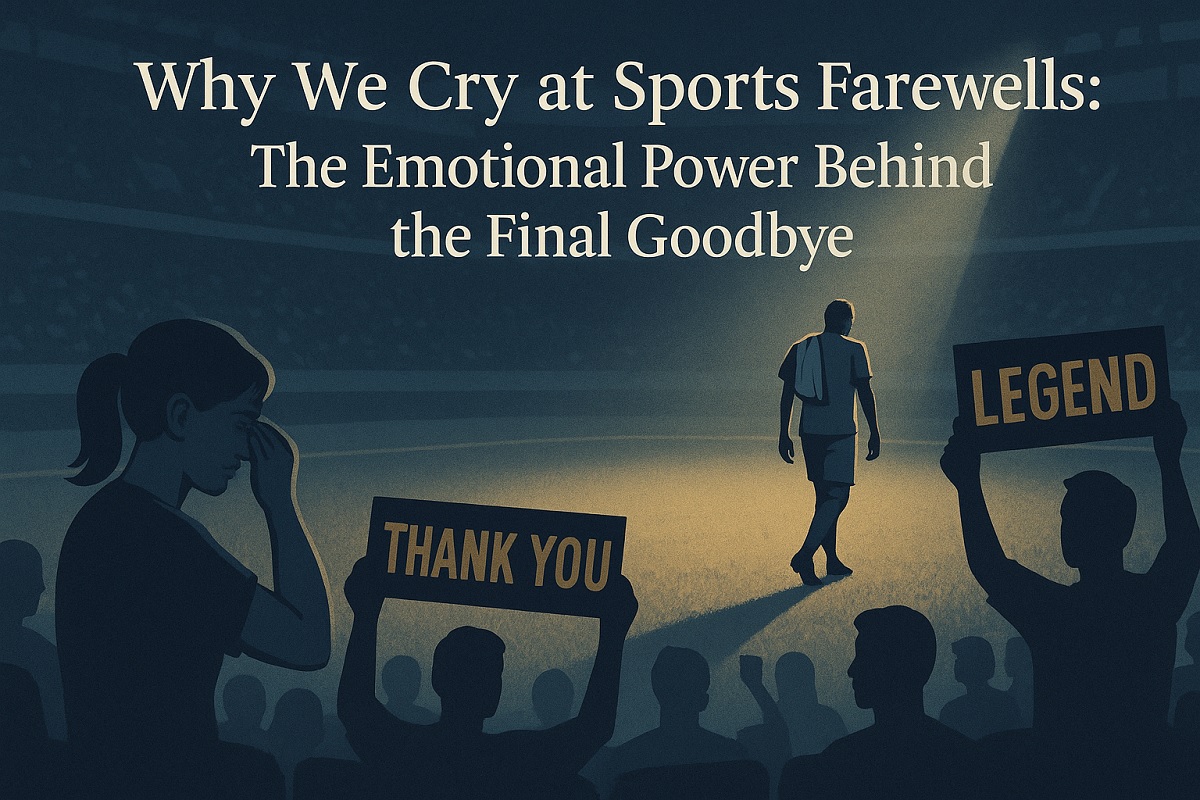
The scenario is all too familiar to sports fans worldwide: a sports icon exits the field for the final time, and in an instant, adult men and women are brought to emotional tears. Tears flow unrestrainedly, not just from the leaving player but also from colleagues, coaches, and tens of thousands of spectators who have never actually met them. This mystifying phenomenon is pan-cultural, pan-sport, and pan-generational. Why do sporting goodbyes hit an emotional chord so profoundly?
The Psychology Behind Sports-Related Emotions
Sports strike something fundamental in our human experience. The bond that fans form with athletes tends to start in childhood and deepen over the course of decades. Many of us celebrate life's milestones through sporting events, building an emotional timeline that parallels our individual histories.
These investments in emotions are built up over the years, and goodbyes are especially heart-wrenching.
Athletes are turned into stand-ins for our own aspirations and desires. Their victories belong to us; their defeats are personal, as if they happened to us. It's a parasocial bond built up in hundreds of hours of viewing, talking about, and experiencing them. When they retire, a chapter in their life closes, but in ours as well.
The Ritual of Farewell Games
The ceremonial nature of sports retirements amplifies their emotional impact. These events are deliberately designed to evoke emotion through various elements:
| Element | Purpose | Emotional Effect |
|---|---|---|
| Video tributes | Nostalgia triggering | Amplifies memories and associated emotions |
| Speeches | Personal connection | Creates intimacy in a mass setting |
| Standing ovations | Communal recognition | Validates shared emotional experience |
These rituals are public, working through loss. They provide structure to our emotions and license to do so publicly. The mass observation of thousands of individuals watching the same farewell creates an odd instant of emotional synchrony in our otherwise isolated world.
The Loss of Future Possibilities
Maybe the deepest thing about sports sendoffs is what they symbolize: the passing of possibility. Retirement means we'll never once more revel in the unexpected thrill of seeing that specific player play. Sports columnist Roger Angell spoke to this with eloquence when he wrote regarding baseball: "It breaks your heart. It is designed to break your heart."
This sadness is equal to other human losses. We mourn not just what was, but also what might have been.
Confronting Our Own Mortality
Athlete retirements cause us as spectators to confront our own aging. When we've been with the player from their rookie season to the time of retirement, we can't help but reminisce about our own journey through the years. The player whom we cheered as kids is now considered "old" at 35, their body no longer capable of optimum performance.
This death reminder hits particularly acutely with transcendent players whose bodily talent seemed to be beyond human limits. Their vulnerability is finally what reminds us of ours. When greats such as Kobe Bryant, Michael Jordan, or Serena Williams hang up their cleats, it's the inevitable fact that all greatness eventually falls prey to time.
The Communal Experience
Sports produce increasingly ephemeral moments of genuine collective feeling. Amid a world where entertainment is being dispersed over countless platforms and conduits, big sporting events and farewells still bring together disparate crowds for communal emotional highs.
This collaborative emotional labor performs essential social functions. It affords ground for vulnerability to be articulated that would otherwise be discouraged, particularly from men in many societies. The tears shed at Derek Jeter's farewell game or David Ortiz's final plate appearance are one of the few socially accepted venues for public male expression of emotion.
Beyond the Final Whistle
The emotional power of sports goodbyes speaks greater truths about the human glue of bonding. We don't just love sports for the athletic display or competitive drama—we love them for the way they glue us to something greater than ourselves: to history, to community, and to the entirety of human feeling.
So the next time you suddenly feel teary-eyed at an athlete's retirement ceremony, know that your tears have dignity. In their conclusions, we see fragments of our own story—the bitter beauty of loving hard and the inevitable goodbyes that speck every great journey.